70% of UK businesses report an annual turnover loss of more than 1% in the past year due to climate-related impacts.

Impacts on nature
Nature is reaching critical tipping points. WWF's 2024 Living Planet Report found an average73% decline in wildlife populations since 1970.
The world's coral reefs, which support around half a billion people, have already crossed a major threshold, while pollinators that contribute over £500 million to UK agriculture are rapidly declining due to habitat loss and pesticides.
The UK also ranks in the bottom 10% globally for biodiversity intactness, highlighting the urgent need to restore and protect nature.
Major business risk
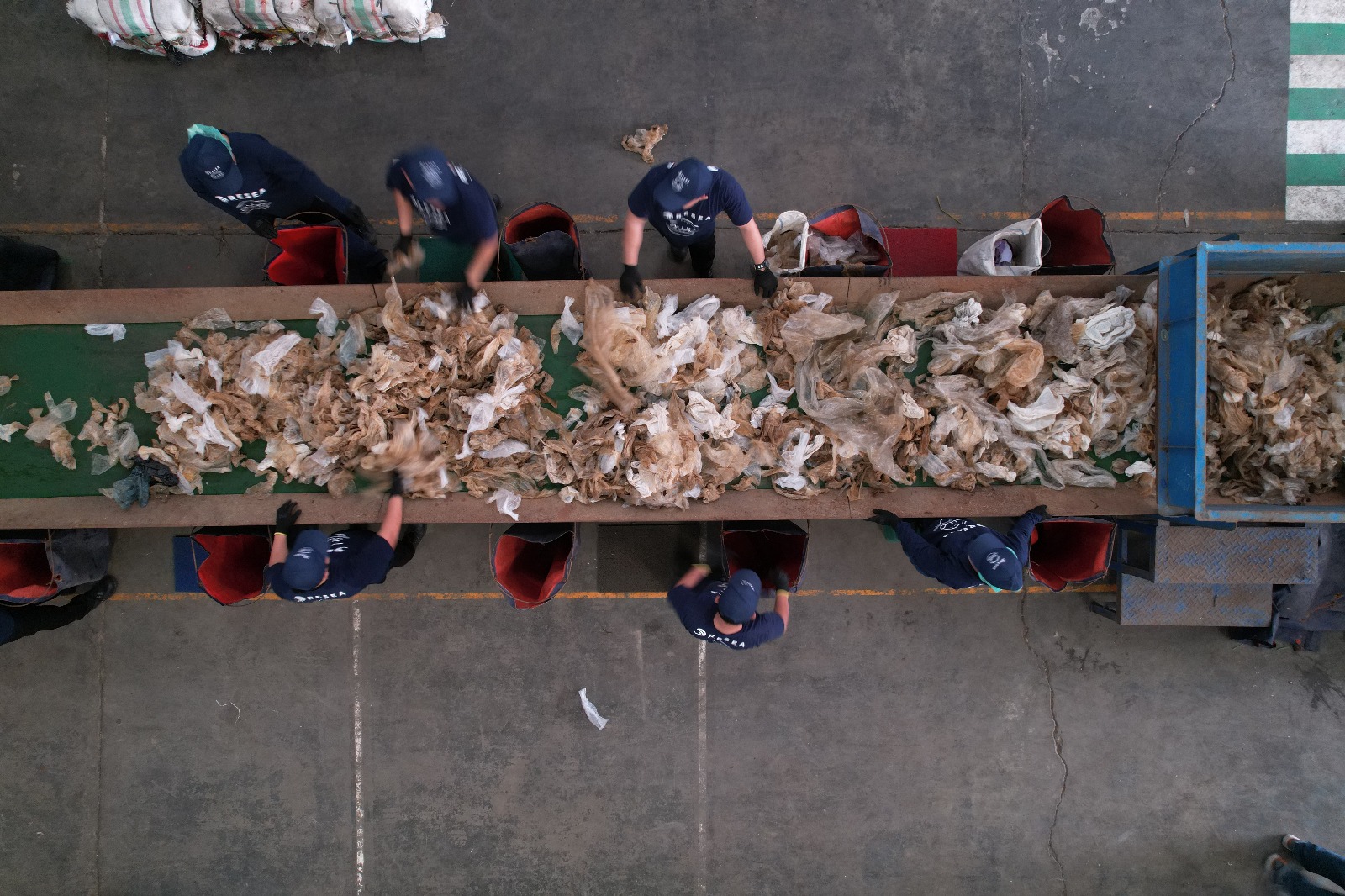
Nature loss is becoming one of the biggest financial risks facing businesses.
By 2050, more than half of the world's natural resources and ecosystem services could be significantly degraded, threatening industries that rely on water, pollination and climate regulation.
Sectors such as food, pharmaceuticals and consumer goods are among the most exposed, while 70% of UK businesses have already reported losing more than 1% of their annual turnover due to climate-related impacts. Despite these growing risks, the global biodiversity funding gap now stands at an estimated USD 830 billion per year, underlining the urgent need for greater investment in protecting and restoring nature
Hotter than ever
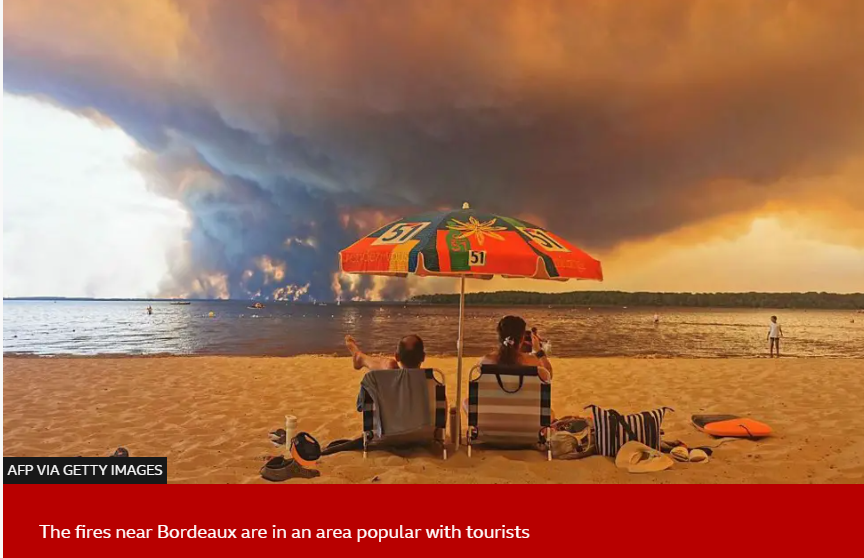
Our planet is getting hotter at an unprecedented rate. Global temperatures have already risen by around 1.3°C compared with pre-industrial levels, with the last decade being the warmest on record. 2024 was the hottest year ever recorded, with global temperatures temporarily exceeding the 1.5°C warming threshold.
Rising temperatures are driving more frequent and intense heatwaves, wildfires, floods and extreme weather events, putting pressure on ecosystems, communities and economies worldwide.
The science is clear: limiting further warming requires urgent action to reduce emissions and protect the natural systems that help regulate our climate.
